Basavanna
Basavanna, also known as Basaveshwara, was a prominent 12th-century philosopher, poet, and social reformer from Karnataka. He played a pivotal role in shaping a progressive spiritual and social movement that challenged rigid traditions of his time. Serving as a minister in the court of King Bijjala II, Basavanna used his position to promote equality, justice, and ethical living.
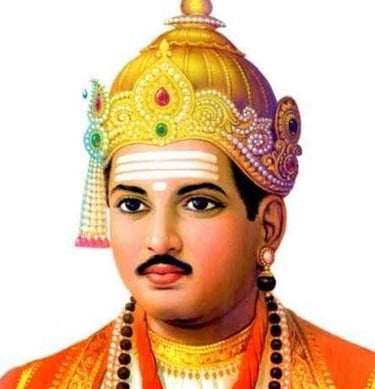
Basavanna, also known as Basaveshwara, was a prominent 12th-century philosopher, poet, and social reformer from Karnataka. He played a pivotal role in shaping a progressive spiritual and social movement that challenged rigid traditions of his time. Serving as a minister in the court of King Bijjala II, Basavanna used his position to promote equality, justice, and ethical living.
He is best known as the founder of the Lingayat tradition, which emphasized devotion to Lord Shiva in the form of the Ishtalinga. Basavanna rejected caste discrimination, ritualism, and superstition, advocating instead for a direct and personal relationship with the divine. His teachings strongly promoted the dignity of labor, expressed through his famous principle “Kayakave Kailasa,” meaning “work is worship.”
Basavanna also established the Anubhava Mantapa, a unique spiritual assembly where people from all walks of life, including women, could freely discuss philosophy and social issues. This institution is often regarded as one of the earliest forms of democratic discourse in the world.
His literary contributions include Vachanas—short, powerful poetic verses written in simple Kannada. These writings conveyed deep spiritual insights and social messages accessible to common people.
Even today, Basavanna’s ideals of equality, compassion, and social reform continue to inspire millions. His legacy remains deeply rooted in Karnataka’s cultural and spiritual heritage, making him one of India’s most respected reformers.